 0


 British Design, German Steel
 25 Year Guarantee
 Free Delivery over £150*

 Trustpilot


New to Flint & Flame?
25% OFF
your first order
Sign up to The Slice, our free newsletter, for exclusive offers, sharpening tips, chef recipes and more.
Unsubscribe any time. We never share your data.



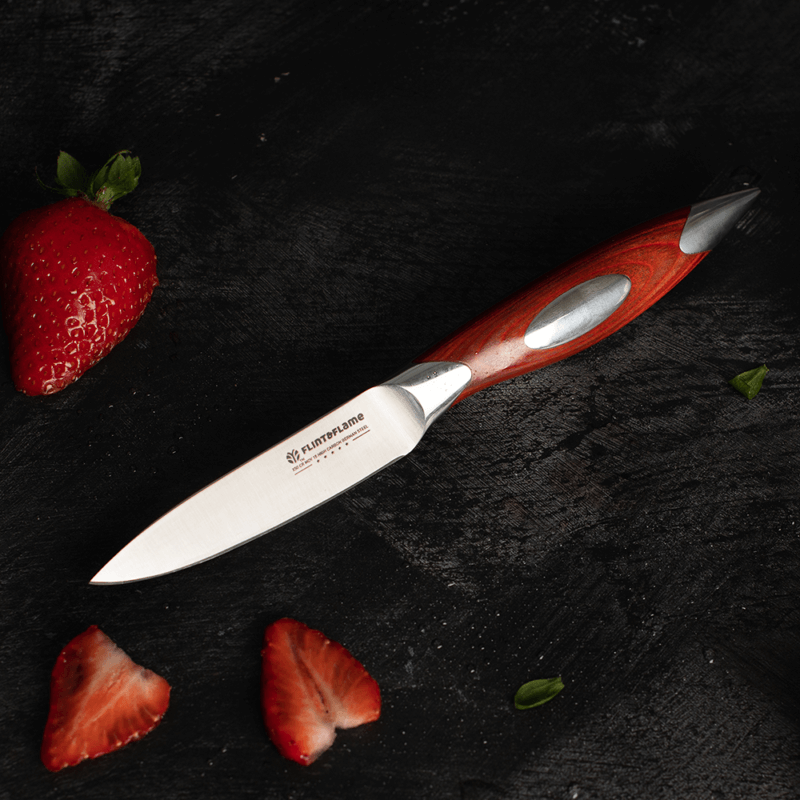
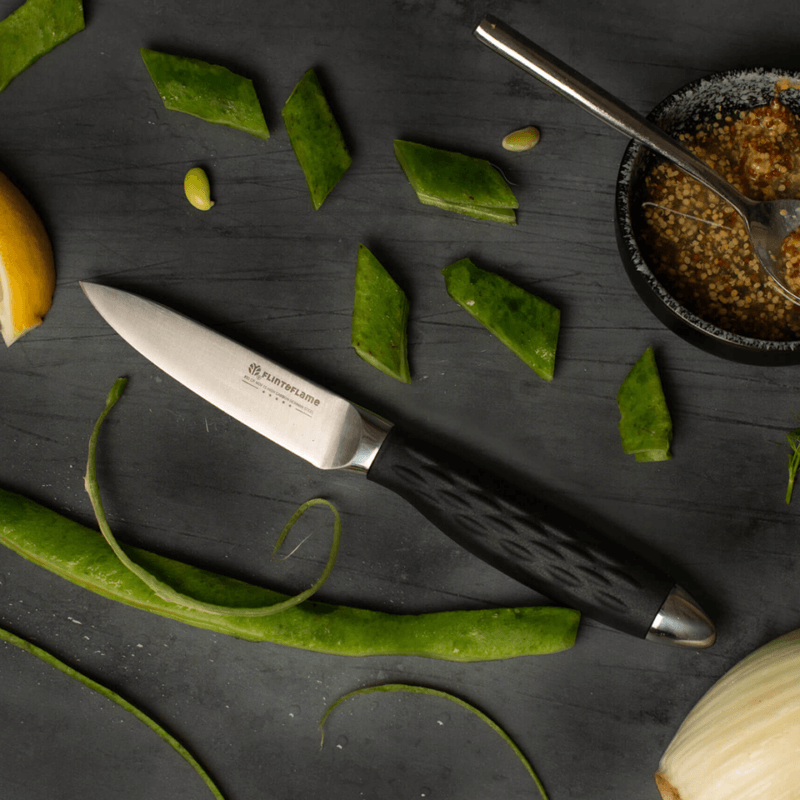
Some jobs are too small and fiddly for a big knife. A paring knife gives you control for peeling, trimming and detailed work, which is why many cooks reach for it more than any other.
You may also see paring knives sold as small kitchen knives or vegetable knives. They are made for the same close-up work.
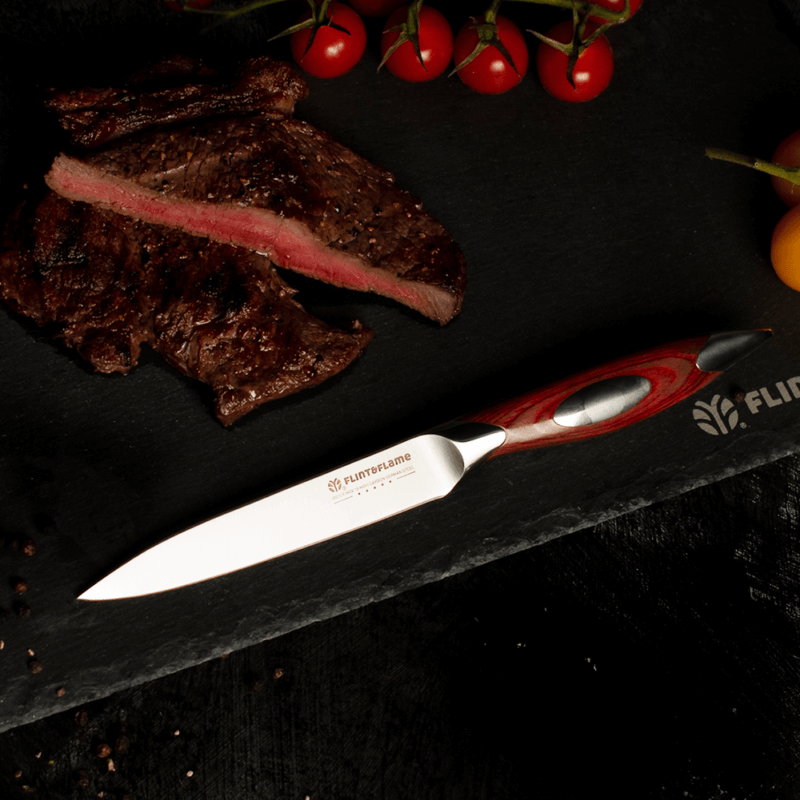
A paring knife has a short blade, usually 7–10cm, with a sharp point and a thin edge. It is held in the hand rather than used on a board, so you can work on fruit and vegetables directly.
Blade length. 7–9cm suits most tasks. Slightly longer gives more reach.
Blade shape. A straight, pointed blade is the most versatile.
Handle. Pick a secure grip that feels comfortable in a pinch hold.
Buy a pair. A spare paring knife is useful when the first is in the wash.
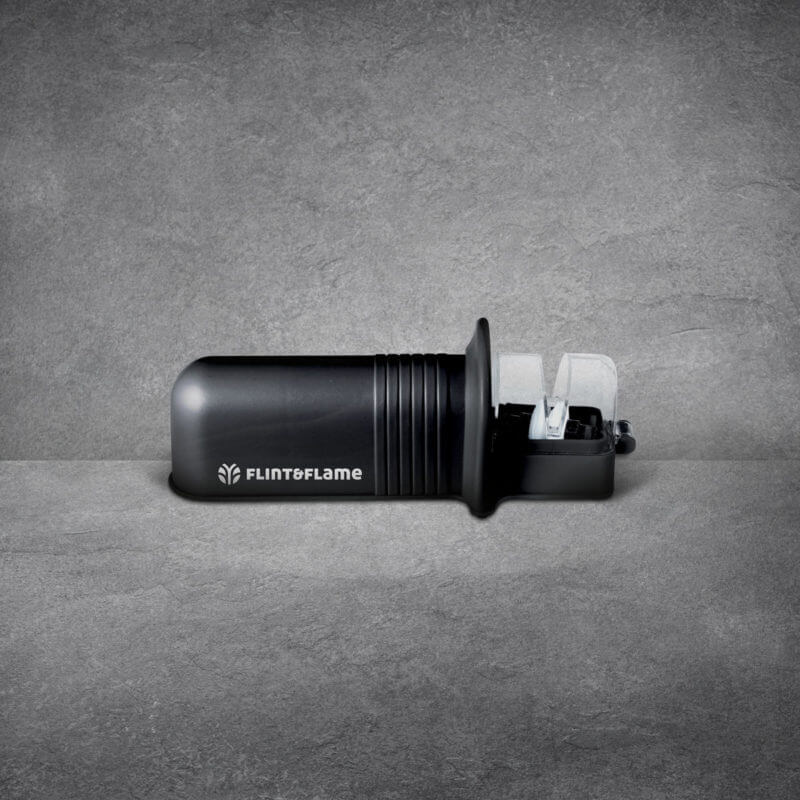
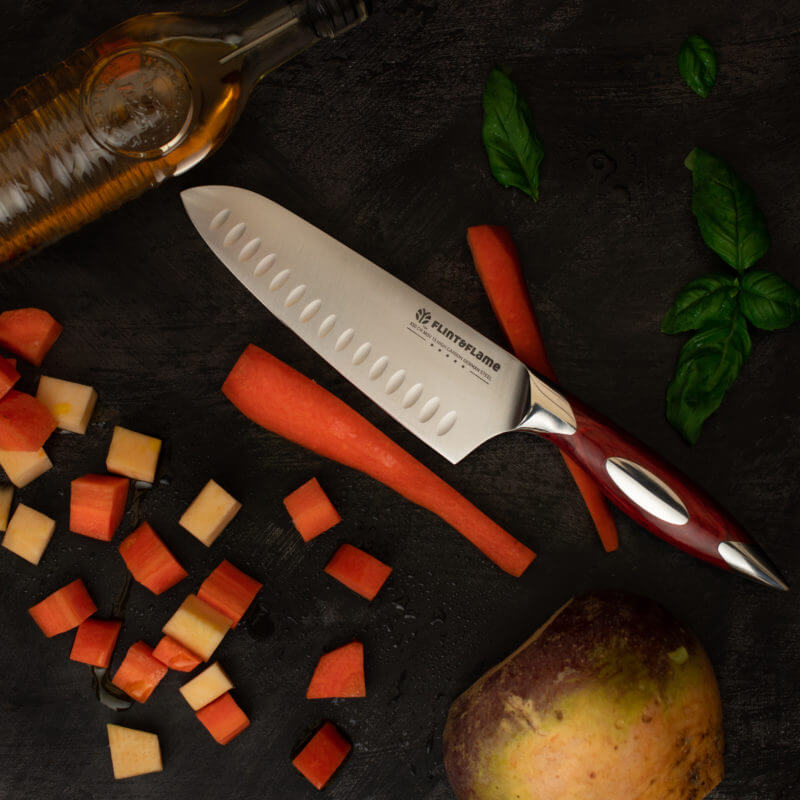
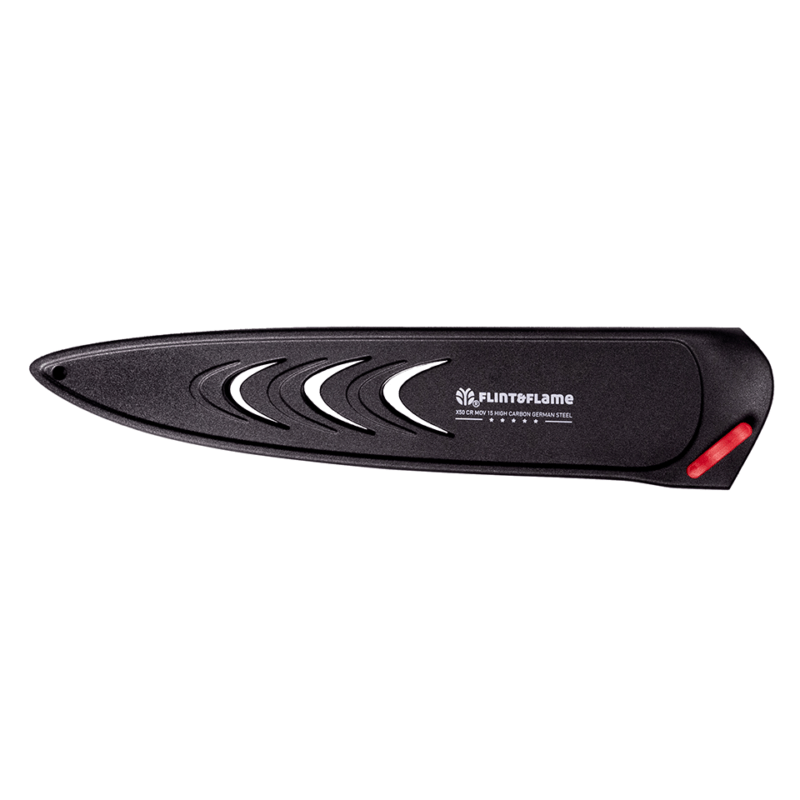
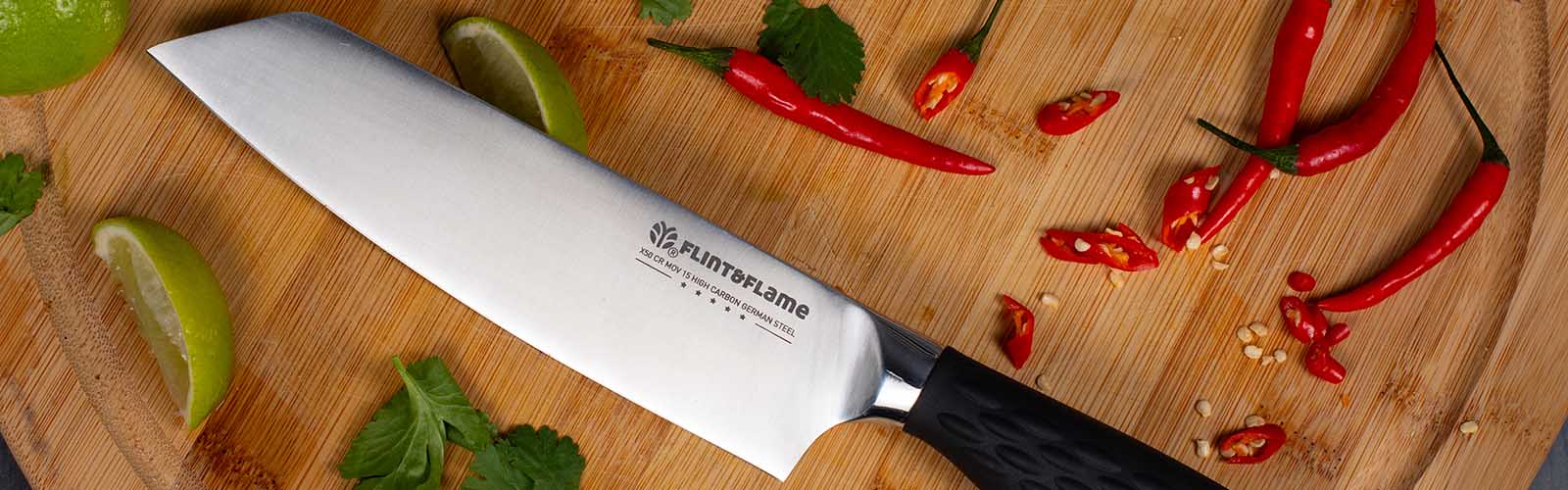
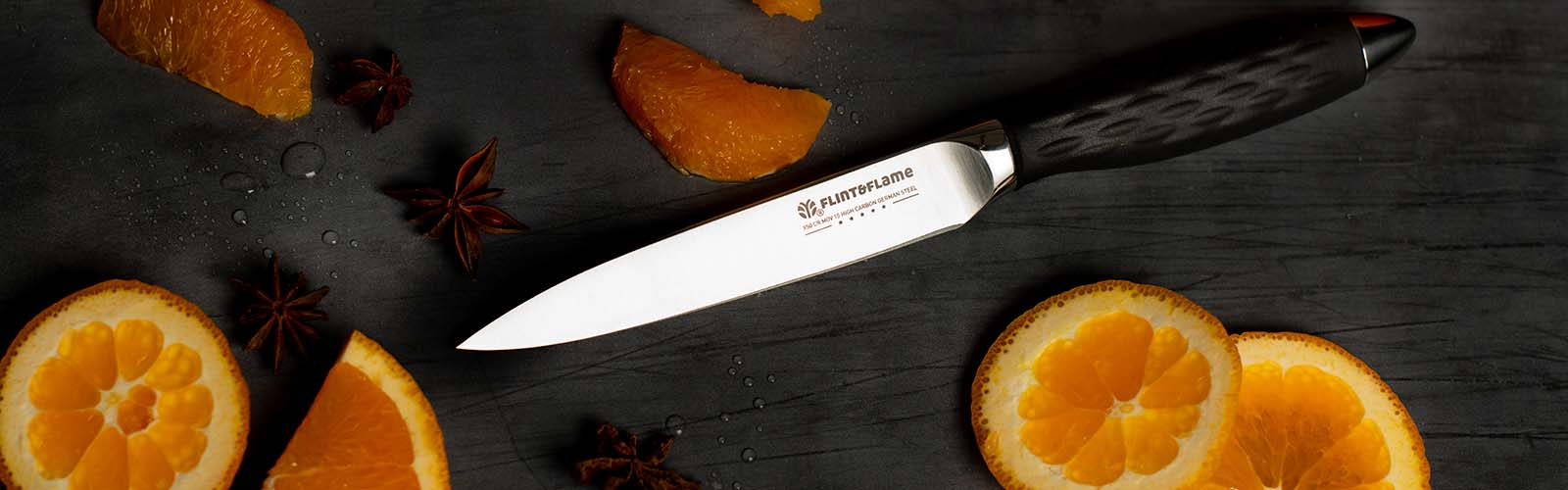
Explore more from our full knife range, including Chef’s Knives, Utility Knives and Nakiri Knives. Keep the edge in top condition with our sharpening tools and our free Kitchen Knife Sharpening Guide.
What is a paring knife used for?
Peeling, trimming, coring, hulling and other small, precise jobs on fruit and vegetables.
Are paring knives and vegetable knives the same?
Often, yes. Small vegetable knives are typically paring knives. For chopping large amounts of vegetables, a Nakiri Knives is better.
What size paring knife is best?
7–9cm is the most versatile length.
Can a paring knife replace a chef’s knife?
No. It is too small for chopping and larger jobs. Use it alongside a chef’s knife.








+44 (0) 1403 740 230
Brookdale Farm, West Chiltington Lane, Billingshurst, West Sussex RH14 9EA
* Excludes Plancha Cooking System

New to Flint & Flame?
25% OFF
your first order
Sign up to The Slice, our free newsletter, for exclusive offers, sharpening tips, chef recipes and more.
Unsubscribe any time. We never share your data.